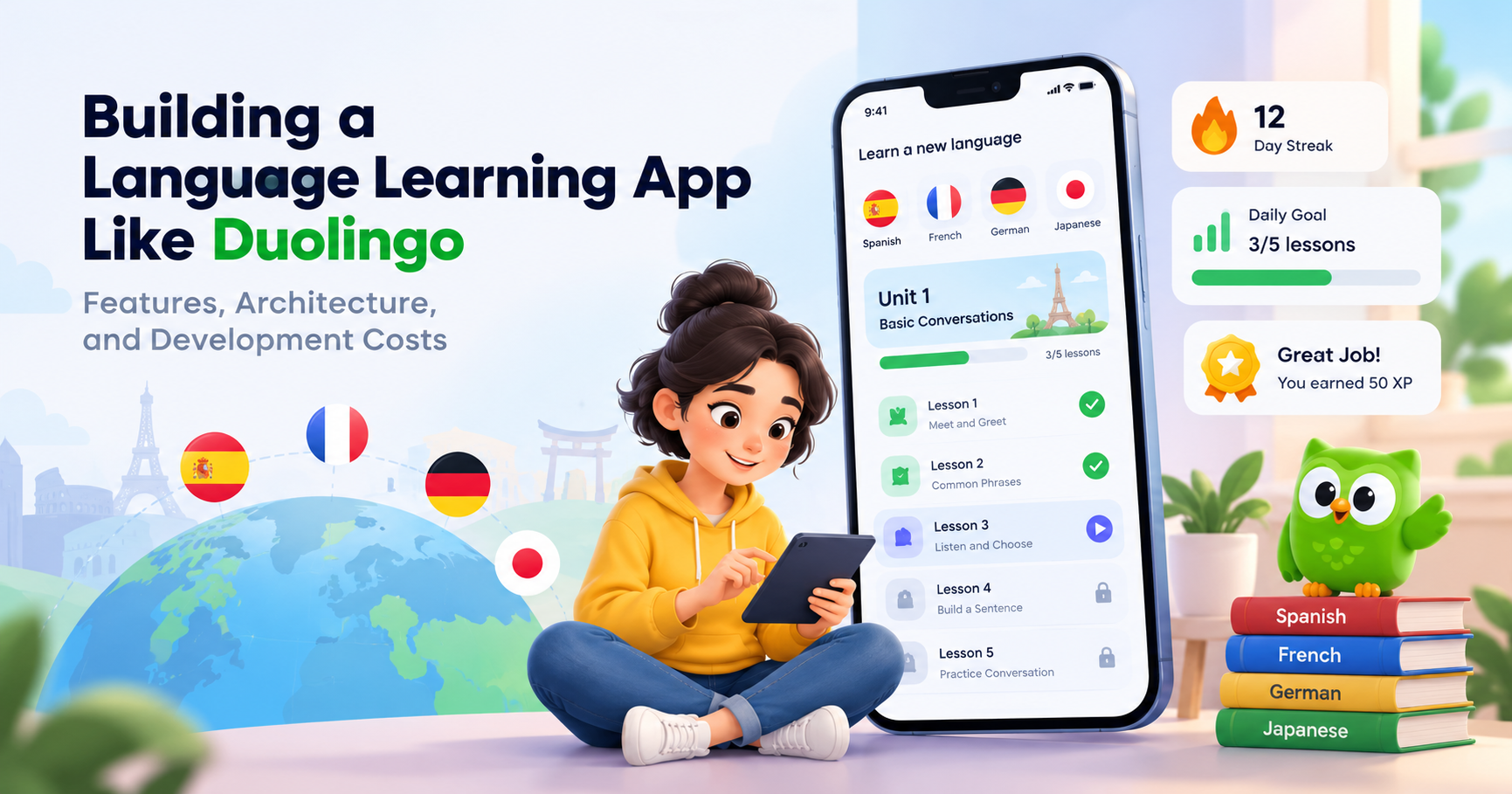
Language-learning apps have made education more accessible by breaking complex subjects into small, manageable learning sessions. Instead of asking users to spend an hour studying, they encourage consistent practice through short lessons, interactive exercises, and progress tracking.
Duolingo is a popular example of this model.
But if you're a developer or startup founder planning to build a similar product, there's an important question to consider: How do you design a language-learning app that is engaging, scalable, and useful for learners?
Let's explore the key components involved.
1. Start With the Learning Experience
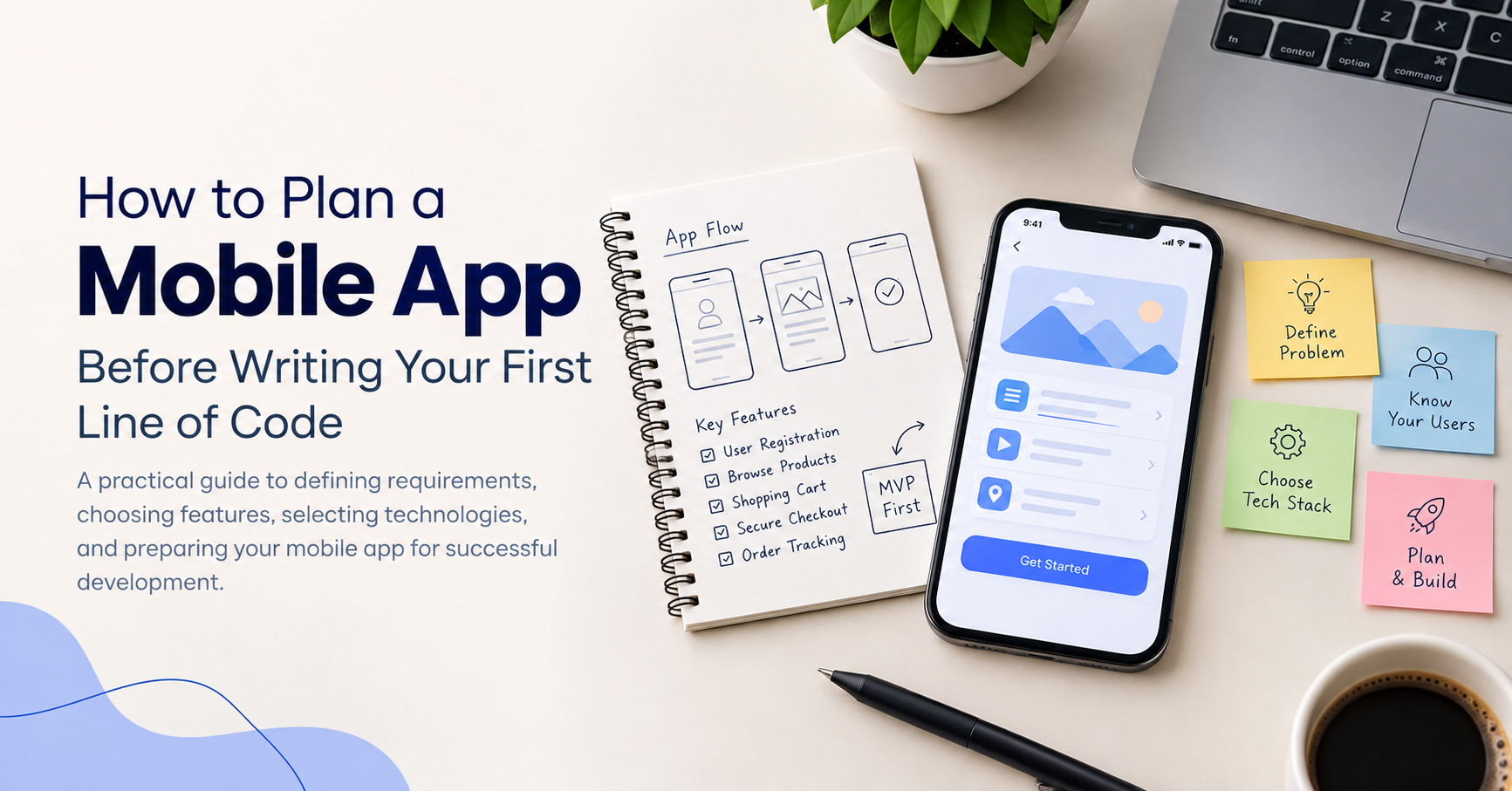
Before choosing a framework or database, define how users will learn through your application.
A typical learning journey might look like this:
A user selects a language and their current proficiency level.
The app recommends a learning path.
The user completes lessons and interactive exercises.
The system evaluates answers and records progress.
The next lesson reflects the user's progress and learning goals.
This flow should be simple enough for beginners while allowing more advanced learners to progress at their own pace.
The important part is to design the learning experience first and select the technology that supports it.
2. Identify the Core Features
For an initial version, focus on features that directly support learning.
Interactive lessons
Lessons can include multiple-choice questions, word matching, translation exercises, listening activities, and sentence construction.
Each exercise should provide clear feedback so users understand their mistakes instead of simply seeing a score.
Gamification
Points, streaks, achievements, and progress indicators can encourage users to practice regularly.
However, gamification should support the learning objective rather than distract from it. A long streak means little if users aren't retaining what they learn.
Progress tracking
Store lesson completion, assessment results, and learning history. These records help users understand their progress and provide the foundation for future personalization.
User profiles and learning paths
Users may have different goals, proficiency levels, and learning speeds. A well-designed system should accommodate these differences without making the interface unnecessarily complicated.
3. Design a Scalable Application Architecture
A language-learning platform can be divided into several components.
Frontend: The mobile or web interface responsible for lessons, exercises, navigation, and progress displays.
Backend API: Handles authentication, lesson delivery, answer validation, user progress, and business logic.
Database: Stores user profiles, course structures, exercises, results, and learning history.
Content management system: Allows administrators or educators to create, edit, and organize lessons without requiring a new app release for every content update.
Analytics layer: Tracks meaningful product metrics, such as lesson completion, retention, and feature adoption.
A simplified request flow might look like this:
Mobile App → Backend API → Database
When a learner submits an answer, the backend validates it, records the result, and returns feedback. The application then updates the learner's progress.
For larger platforms, caching, background jobs, and additional services can be introduced when actual usage patterns justify them. Starting with microservices isn't necessary for every MVP; a well-structured monolith may be easier to build and maintain initially.
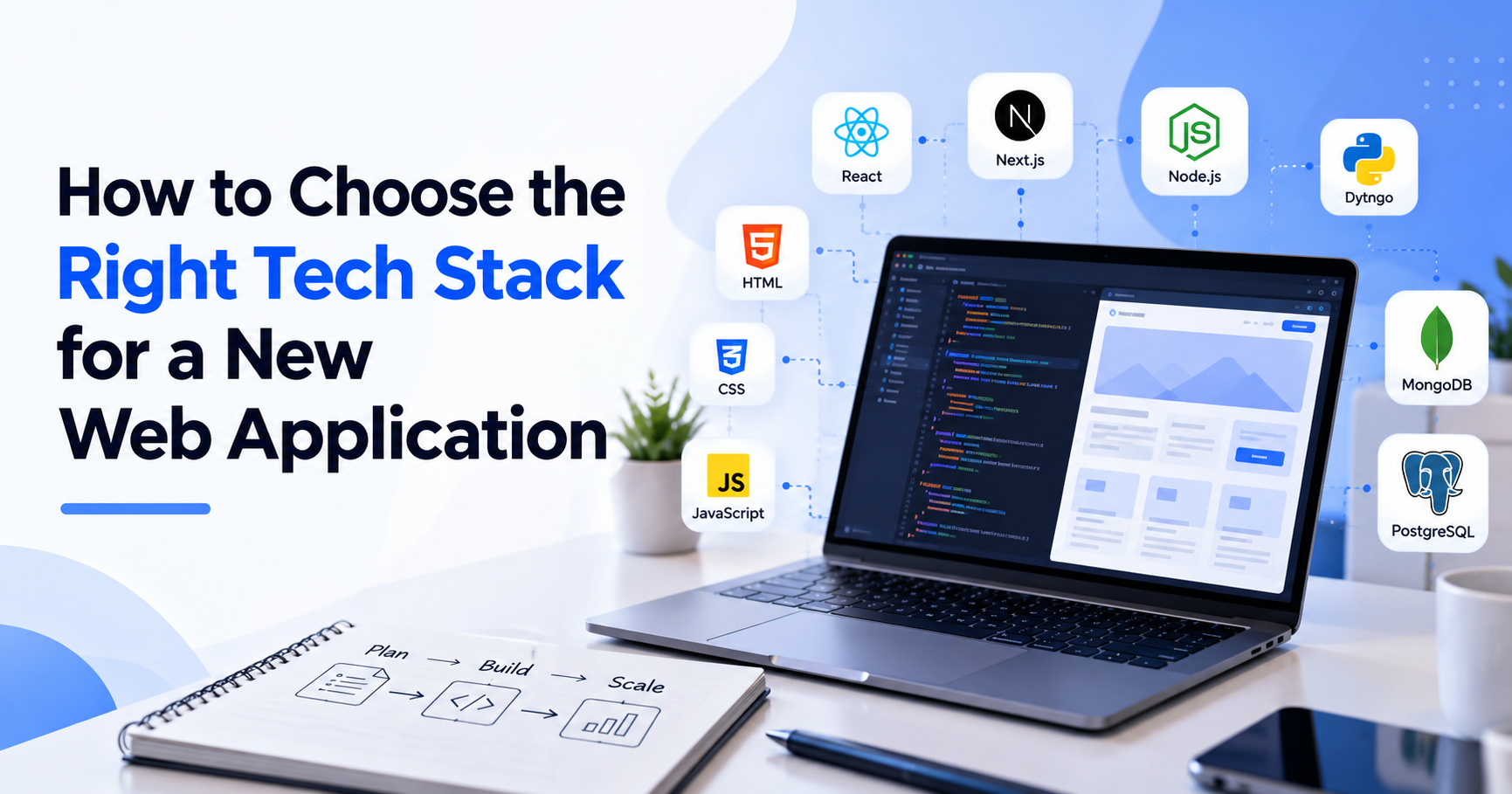
4. Choosing the Technology Stack
The right stack depends on your team's experience, target platforms, and product requirements.
| Component | Possible technologies |
|---|---|
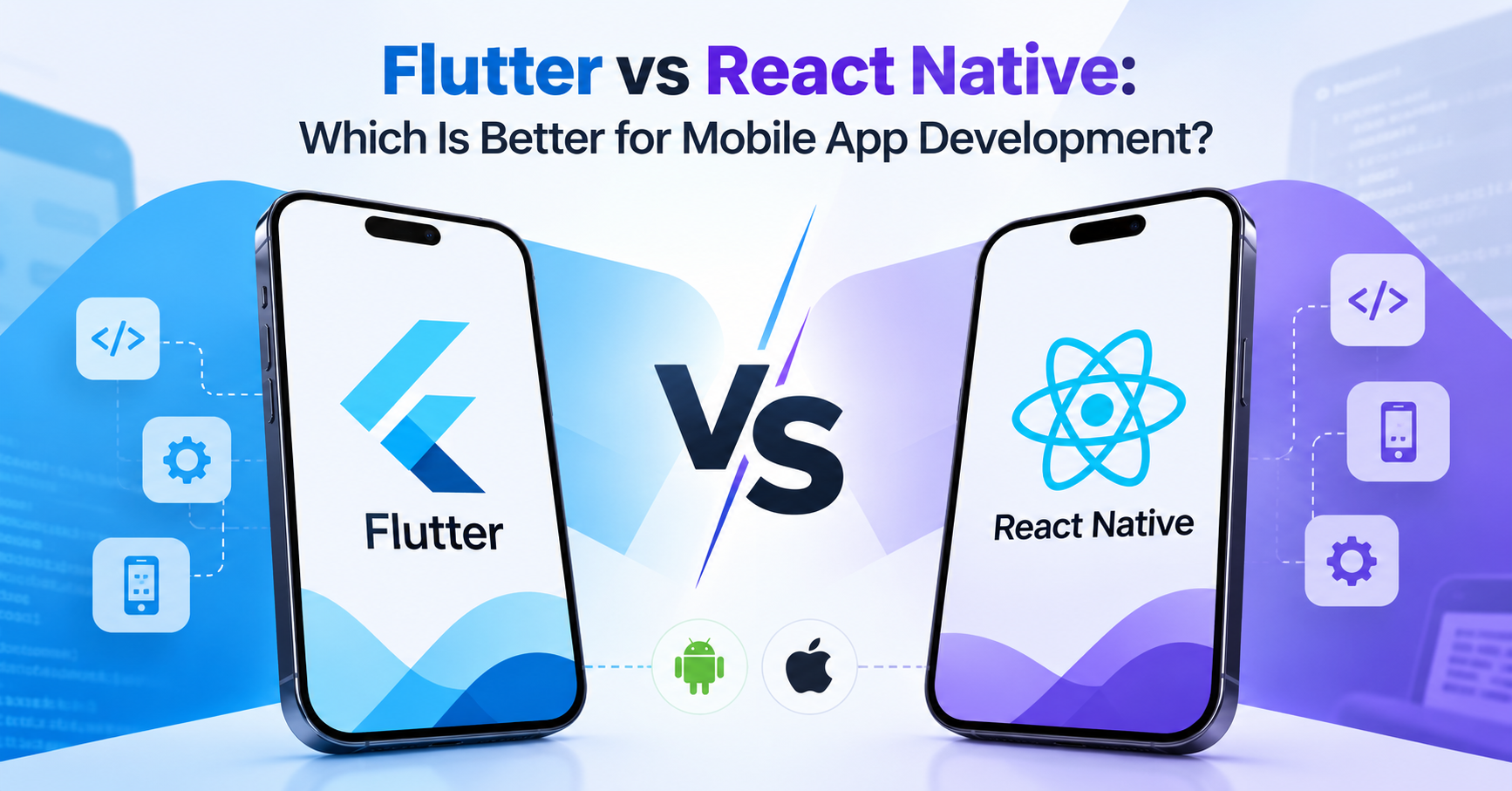
| Cross-platform mobile app | Flutter or React Native |
| Native Android development | Kotlin |
| Backend | Node.js or Python |
| Database | PostgreSQL |
| Authentication | Firebase Authentication or a custom solution |
| Push notifications | Firebase Cloud Messaging |
| File and audio storage | Cloud object storage |
| Product analytics | Firebase Analytics or another analytics platform |
These are possible options, not a universal recommendation. For example, a Kotlin-based application may be appropriate when Android-specific capabilities are central to the product, while a cross-platform framework can help a small team support Android and iOS from a shared codebase.
5. Where AI Can Improve Language Learning
AI can support more personalized learning experiences, but it doesn't need to be part of the first release.
Potential applications include:
Pronunciation feedback: Speech recognition can help learners practice spoken language.
Adaptive exercises: Question difficulty can be adjusted based on performance.
Conversational practice: Learners can practice dialogues in simulated everyday situations.
Personalized revision: The system can recommend exercises based on previous mistakes.
These features introduce additional considerations, including response latency, API costs, content accuracy, and learner privacy.
Start with a clearly defined use case and evaluate whether it improves learning outcomes before expanding it.
6. How Much Does It Cost to Build an App Like Duolingo?
Development costs depend on the number of platforms, feature complexity, design requirements, content creation, and the team's location.
As a broad planning estimate:
Basic MVP: $25,000–$60,000
Mid-level learning platform: $60,000–$150,000
Advanced platform with AI and sophisticated personalization: $150,000–$300,000+
These figures are illustrative rather than fixed market prices. A focused prototype may cost less, while extensive course content, custom speech-processing capabilities, and large-scale infrastructure can increase the budget.
Also account for ongoing expenses such as cloud hosting, third-party APIs, content updates, maintenance, and user acquisition.
7. Common Development Mistakes to Avoid
A few decisions can make an otherwise promising learning app difficult to maintain.
Building too many features upfront: Trying to launch with every feature found in an established platform can delay validation. Begin with a focused MVP.
Ignoring content quality: Even excellent engineering cannot compensate for poorly structured lessons or inaccurate explanations.
Tracking engagement alone: Daily active users and streaks are useful, but lesson completion and knowledge retention provide a better picture of learning effectiveness.
Overengineering the backend: Choose an architecture that meets current requirements and can evolve as the product grows.
Treating privacy as an afterthought: Learning history, account details, and voice recordings may require careful access controls, retention policies, and appropriate consent.
Conclusion
Building a language-learning app like Duolingo involves more than replicating its interface. The real challenge is combining effective educational content, thoughtful UX, reliable architecture, and features that encourage consistent learning.
For founders, the most practical approach is to identify a specific learner audience, build a focused MVP, measure learning outcomes, and expand based on real feedback.
If you're exploring an EdTech product and need help translating your idea into a development roadmap, LoudOwls shares further guidance on building an app like Duolingo, including features, technology choices, development costs, and monetization considerations.
Frequently Asked Questions
1. How much does it cost to build a language-learning app like Duolingo?
Building a language-learning app can cost approximately $25,000 to $60,000 for a basic MVP, while advanced platforms with AI-powered features and personalized learning may cost $150,000 or more. The final cost depends on the features, technology stack, and development team.
2. How long does it take to develop a language-learning app?
A basic language-learning app may take 2–4 months to develop, while a feature-rich platform with gamification, personalized learning, and AI integration may take 6–12 months or longer.
3. What features should a language-learning app include?
Essential features include interactive lessons, quizzes, vocabulary exercises, progress tracking, user profiles, notifications, and gamification elements such as streaks, points, and badges.
4. Which technology stack is best for building a language-learning app?
Flutter or React Native can support cross-platform mobile development. Node.js or Python can power the backend, while PostgreSQL can manage structured learning data. The best stack depends on your project requirements and team's expertise.
5. How can AI improve a language-learning app?
AI can support personalized learning paths, conversational practice, pronunciation feedback, adaptive exercises, and recommendations based on learners' performance.
6. How do language-learning apps make money?
Common monetization models include freemium subscriptions, premium learning plans, in-app purchases, advertising, and institutional licensing for schools or businesses.
7. Should I build an MVP before developing a full language-learning platform?
Yes. An MVP lets you test your idea with essential features, collect user feedback, and validate demand before investing in advanced functionality.
8. How can I make a language-learning app engaging?
Use short lessons, interactive exercises, meaningful progress indicators, personalized revision, and rewards that encourage consistent practice. Measure learning outcomes alongside engagement to ensure users are making real progress.
About the author
- I write about iOS development, mobile networking, developer tools, software engineering, and emerging technologies. My goal is to turn complex technical concepts into practical, easy-to-understand content for developers.
Comments
Join the discussionNo comments yet. Be the first to comment.