Every growing business reaches a point where its existing tools are no longer enough. Tasks that once took a few minutes start consuming hours. Teams struggle with disconnected systems, repetitive manual work, and software that cannot keep up with increasing demands.
Sound familiar?
This is where custom software development makes a difference. Instead of adjusting business operations to fit existing software, companies can build solutions around their actual needs.
Let's explore how custom software helps businesses scale faster and operate more efficiently.
1. Software That Fits Your Business, Not the Other Way Around
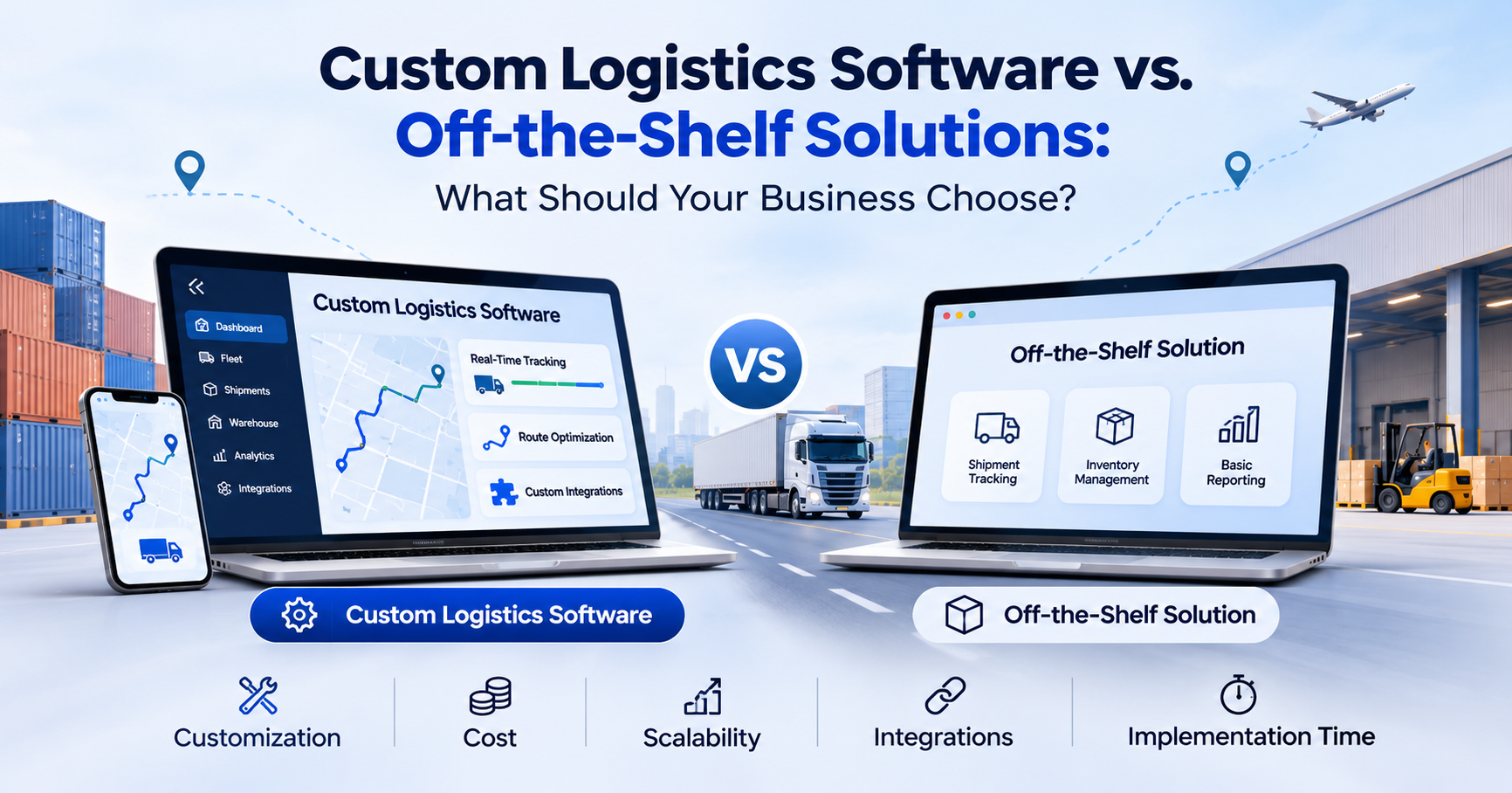
Every business has unique workflows, goals, and operational challenges. Ready-made software may offer useful features, but it does not always address specific requirements.
Custom software is designed around your business processes. Whether you need an inventory management system, customer relationship management platform, or an internal business application, the solution can be developed to match your workflow.
This reduces unnecessary steps and helps teams work more efficiently.
2. Automating Repetitive Business Operations
As a business grows, manual tasks increase. Managing orders, updating records, generating reports, and handling customer information can become time-consuming.
Custom software can automate these repetitive activities.
For example, a business can develop a system that automatically updates inventory after an order, generates invoices, and sends notifications to relevant teams.
Automation saves time, reduces human errors, and allows employees to focus on more valuable responsibilities.
3. Supporting Business Growth With Scalable Architecture
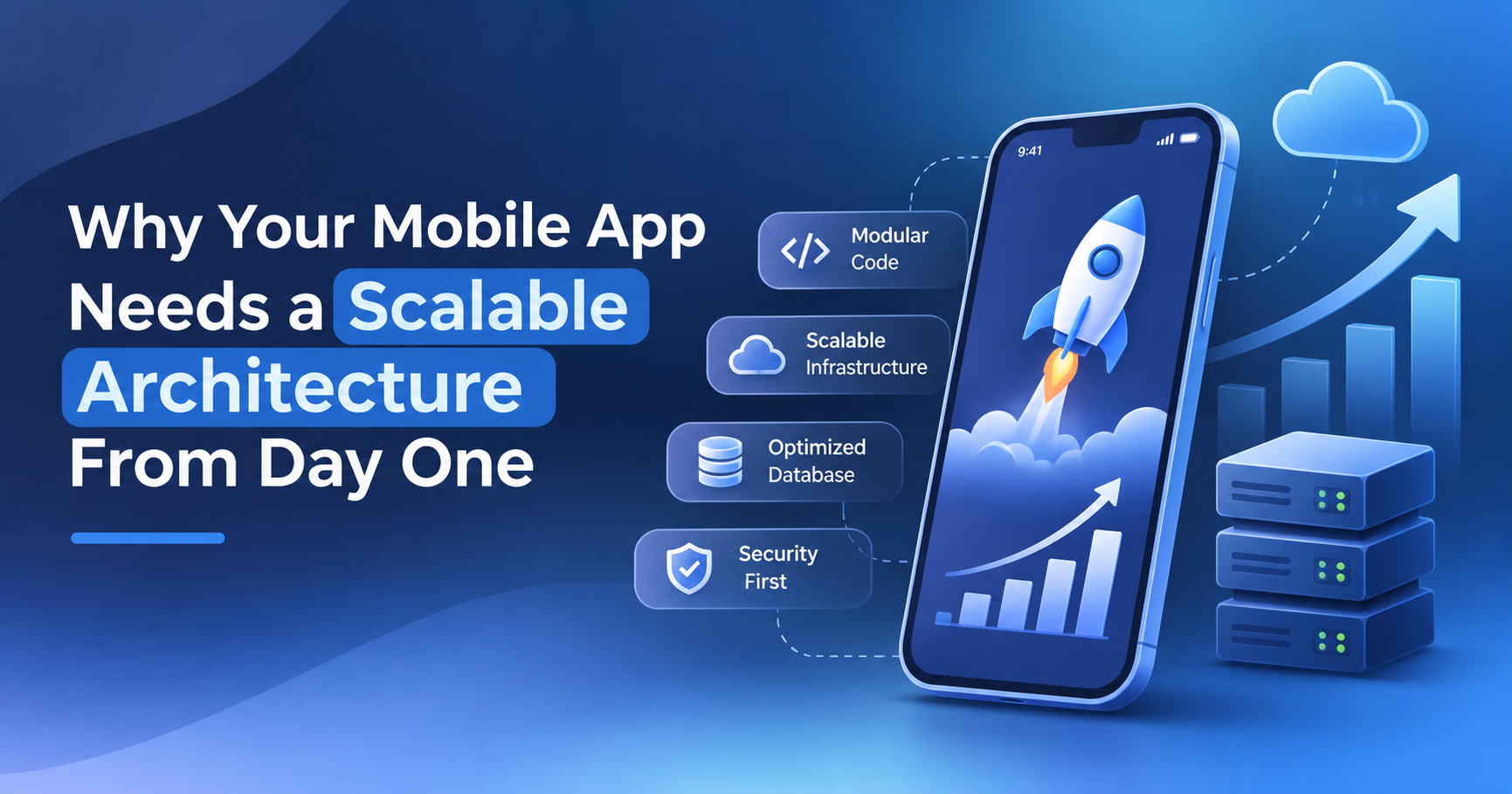
A software solution that works for 100 users may struggle when the business reaches 10,000 users.
This is why scalability should be considered from the beginning.
Custom software can be designed with future expansion in mind. Businesses can add new modules, support additional users, integrate new services, and improve system capabilities as their requirements evolve.
Instead of replacing the entire system every time the business grows, companies can build upon their existing software.
4. Connecting Different Business Systems
Many businesses use separate tools for sales, accounting, customer support, inventory, and operations.
When these systems do not communicate with each other, employees often need to enter the same information multiple times.
Custom software can integrate different platforms through APIs and other integration methods.
This creates a more connected business environment where information flows between departments, reducing duplication and improving decision-making.
5. Improving Data Management and Business Decisions
Growing businesses generate large amounts of data. However, collecting information is not enough if teams cannot access or understand it.
Custom software can bring business data together through dashboards, reporting tools, and analytics features.
For example, management teams can monitor sales performance, customer activity, operational efficiency, and inventory levels from a centralised platform.
Having access to relevant information helps businesses make faster and more informed decisions.
6. Strengthening Security and Control
As businesses expand, they handle more customer information, financial records, and internal data.
Custom software allows companies to implement security measures according to their specific requirements. These may include role-based access controls, data encryption, authentication systems, and regular security updates.
Businesses also have greater control over their software features, infrastructure, and development roadmap.
7. Creating a Better Customer Experience
Business growth is not only about internal operations. Customer experience plays an equally important role.
Custom digital solutions can provide personalised experiences, faster services, smoother communication, and features designed around customer expectations.
Whether it is a mobile application, customer portal, or online booking platform, the right software can help businesses build stronger customer relationships.
When Should a Business Consider Custom Software?
Custom software development may be worth considering when:
- Existing software cannot support your business requirements.
- Your team spends too much time on repetitive manual tasks.
- Different business systems operate independently.
- You need specialised features that ready-made tools do not offer.
- Your current technology struggles to support business growth.
Recognising these signs early can help businesses avoid operational limitations as they expand.
Final Thoughts
Scaling a business requires more than increasing employees, customers, or revenue. It also requires technology that can support changing demands without slowing down operations.
Custom software development helps businesses build solutions around their workflows, automate processes, connect systems, and prepare for future growth.
At LoudOwls, businesses can explore custom software and mobile application development solutions designed around their unique requirements.
The right software should not limit how far your business can grow. It should help you get there.
Explore LoudOwls: https://www.loudowls.com/
About the author
- I write about iOS development, mobile networking, developer tools, software engineering, and emerging technologies. My goal is to turn complex technical concepts into practical, easy-to-understand content for developers.
Comments
Join the discussionNo comments yet. Be the first to comment.